๐Ÿ• Breed groups at a glance

Dog breed groups

Every breed group was shaped for a specific job. That heritage still drives temperament, exercise needs and typical health topics โ€” regardless of the individual dog.


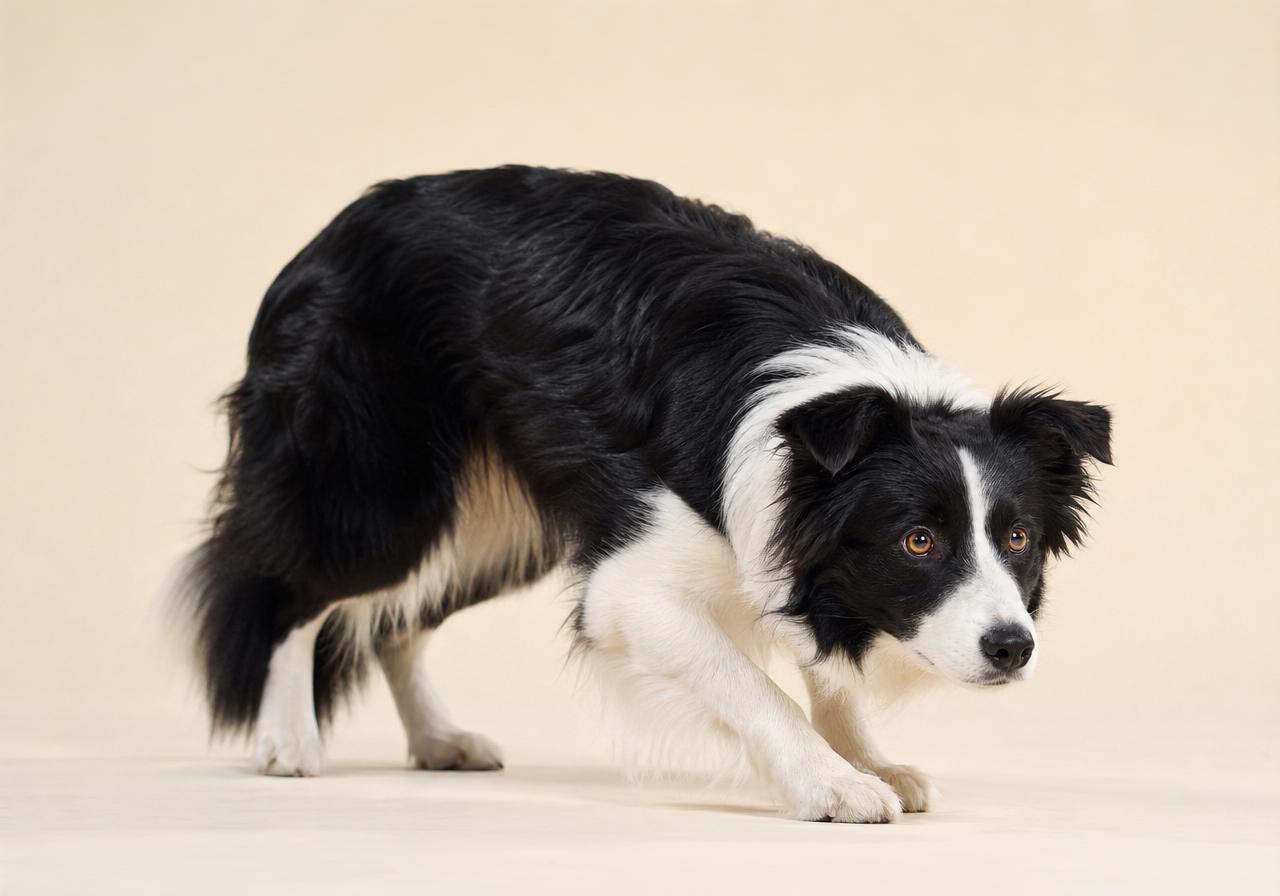
Herding dogs โ€” Border Collie

Herding dogs

e.g. Border Collie

Bred to move livestock with eye, ear and stamina.

Herding breeds were selected for close cooperation with a handler and for controlling other animals with body language rather than force. They are intensely responsive, learn routines quickly and need daily mental work โ€” without a job, they invent one.

  • High trainability
  • Strong bond with handler
  • Needs mental & physical work
  • Sensitive to stimuli
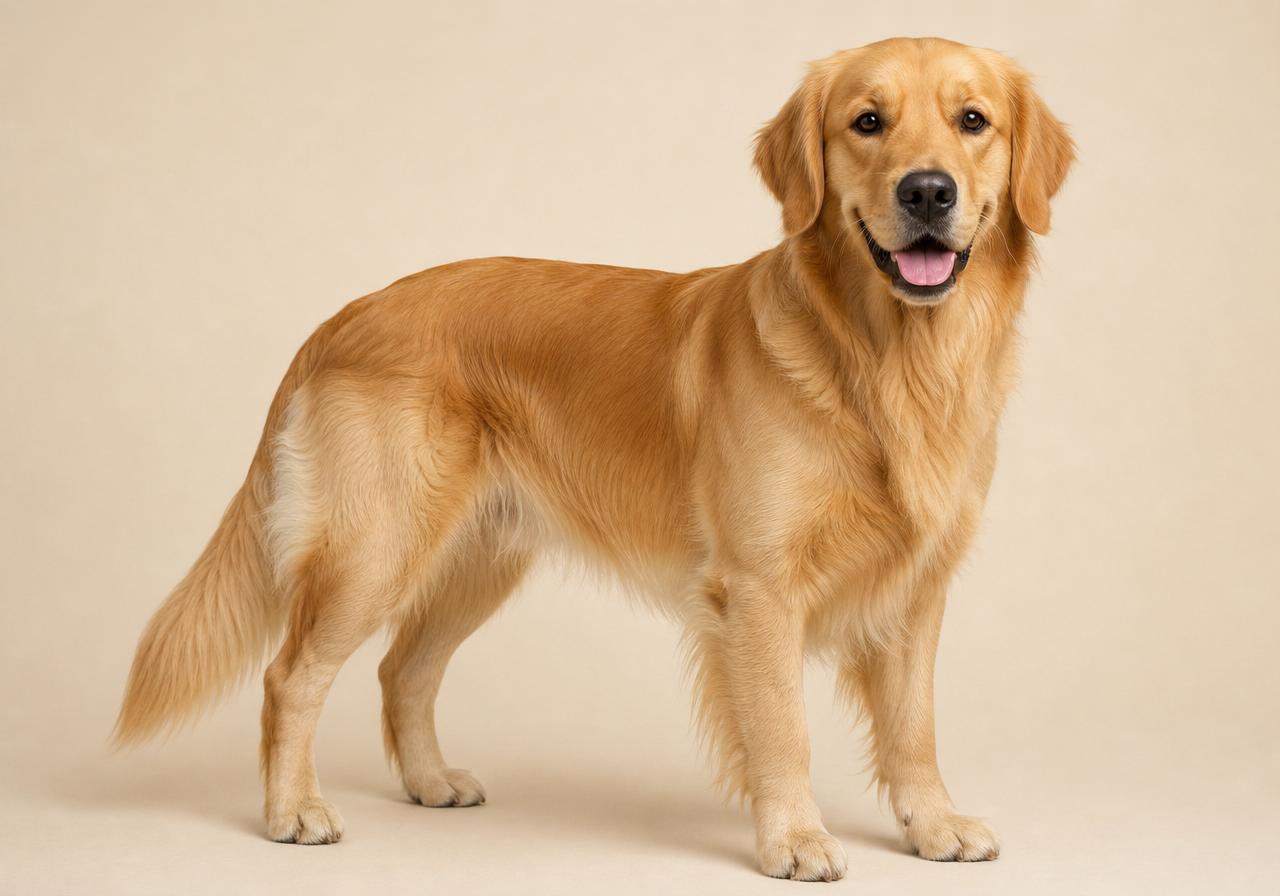
Sporting / gundogs โ€” Golden Retriever

Sporting / gundogs

e.g. Golden Retriever

Partners for hunters โ€” pointing, flushing and retrieving game.

Gundogs work alongside a person over long distances, often in water and rough terrain. They combine stamina with a soft mouth and a genuine wish to cooperate, which is why so many are chosen as family, therapy and assistance dogs today.

  • People-oriented
  • Loves water & retrieving
  • Steady temperament
  • Needs real exercise
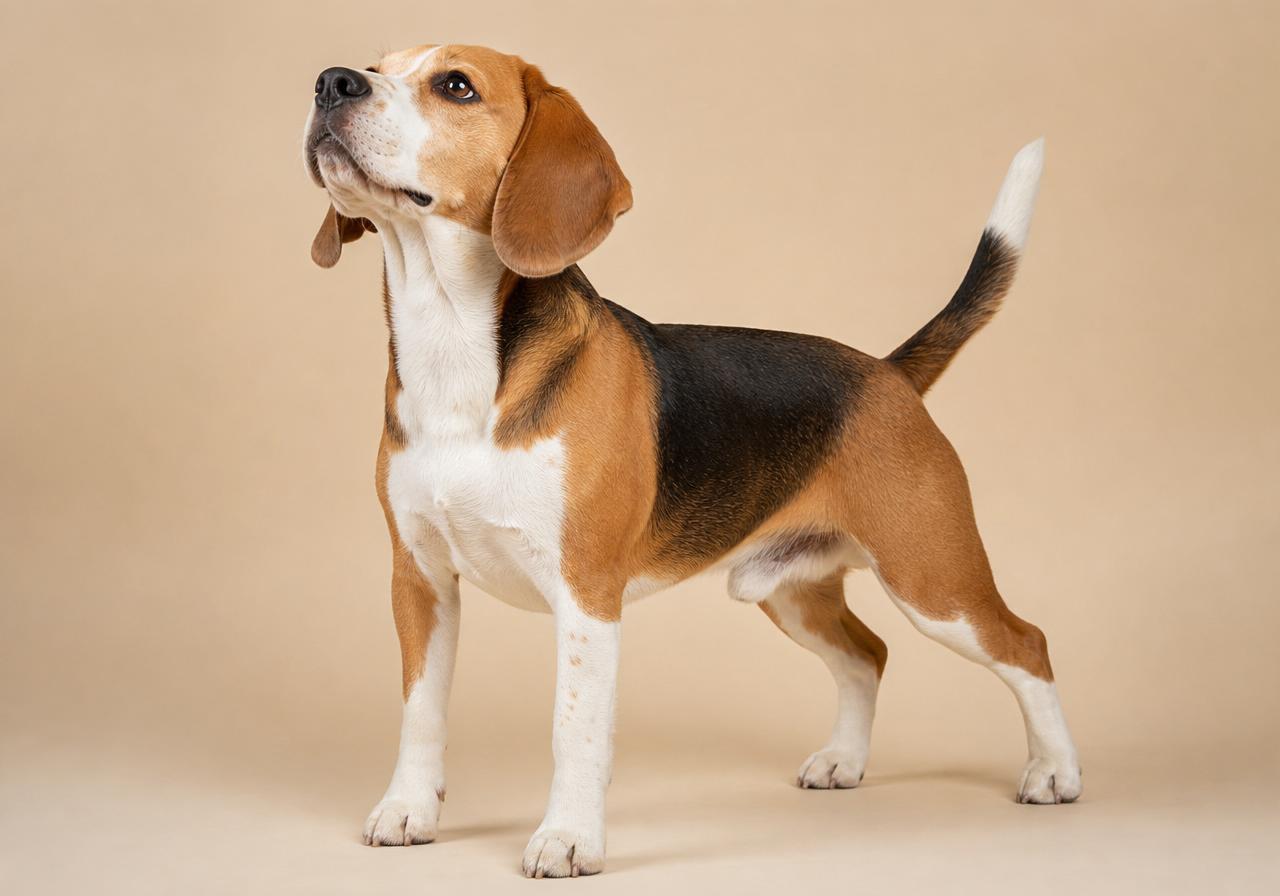
Scent & sight hounds โ€” Beagle

Scent & sight hounds

e.g. Beagle

Built to follow a track โ€” nose down or eyes locked on the horizon.

Hounds hunt with their senses. Scent hounds like the Beagle follow a trail for hours and give voice; sighthounds like the Greyhound explode in short chases. Both are independent decision-makers and will pursue a stimulus that outweighs recall training.

  • Strong prey drive
  • Vocal (scent hounds)
  • Independent thinkers
  • Recall needs long practice
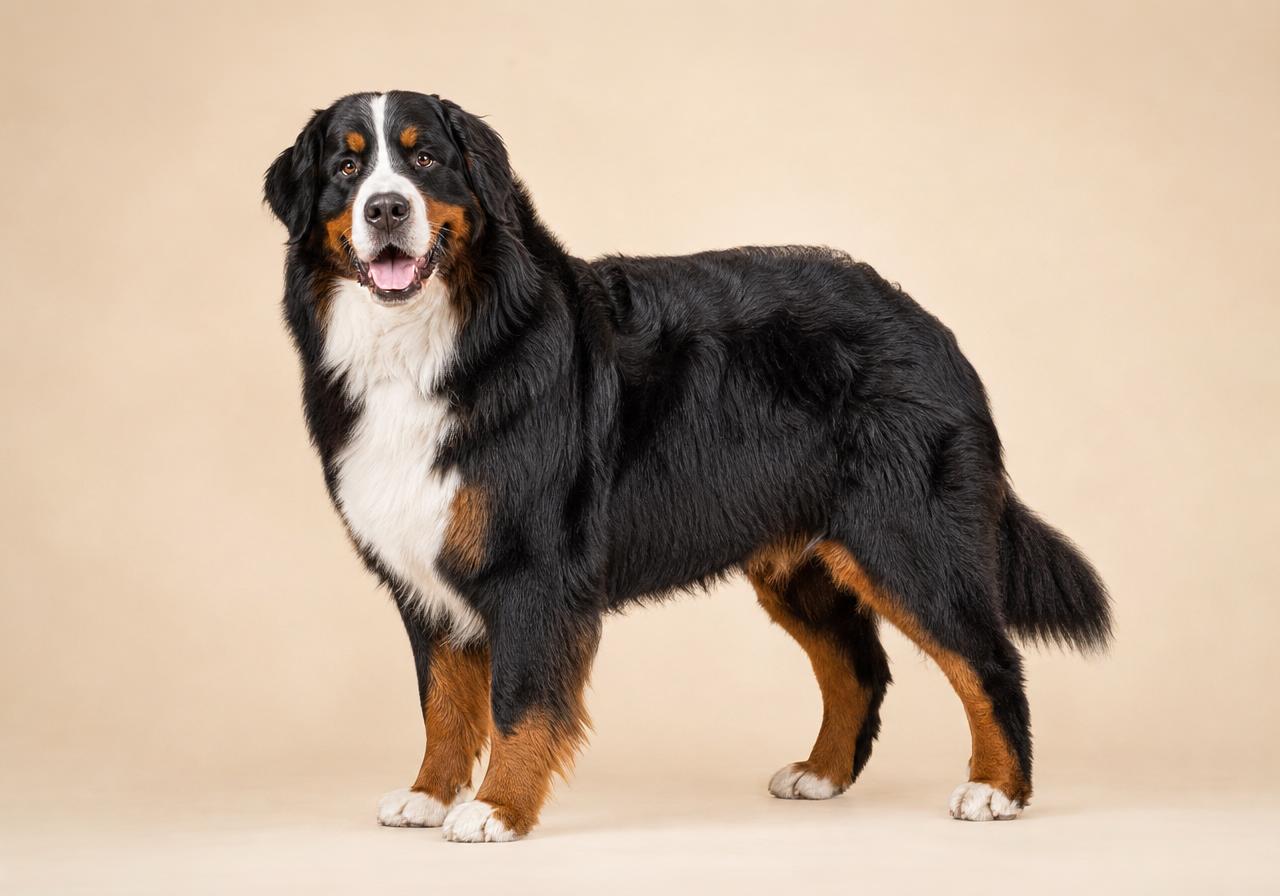
Working & guardian dogs โ€” Bernese Mountain Dog

Working & guardian dogs

e.g. Bernese Mountain Dog

Draft, guard and rescue breeds โ€” power with a calm head.

Working breeds were kept to pull carts, guard livestock and property or perform mountain rescue. They are typically large, physically powerful and emotionally steady, but their size means orthopaedic health, socialisation and early training are non-negotiable.

  • Large & powerful
  • Calm, watchful
  • Loyal to family
  • Joint & weight care essential
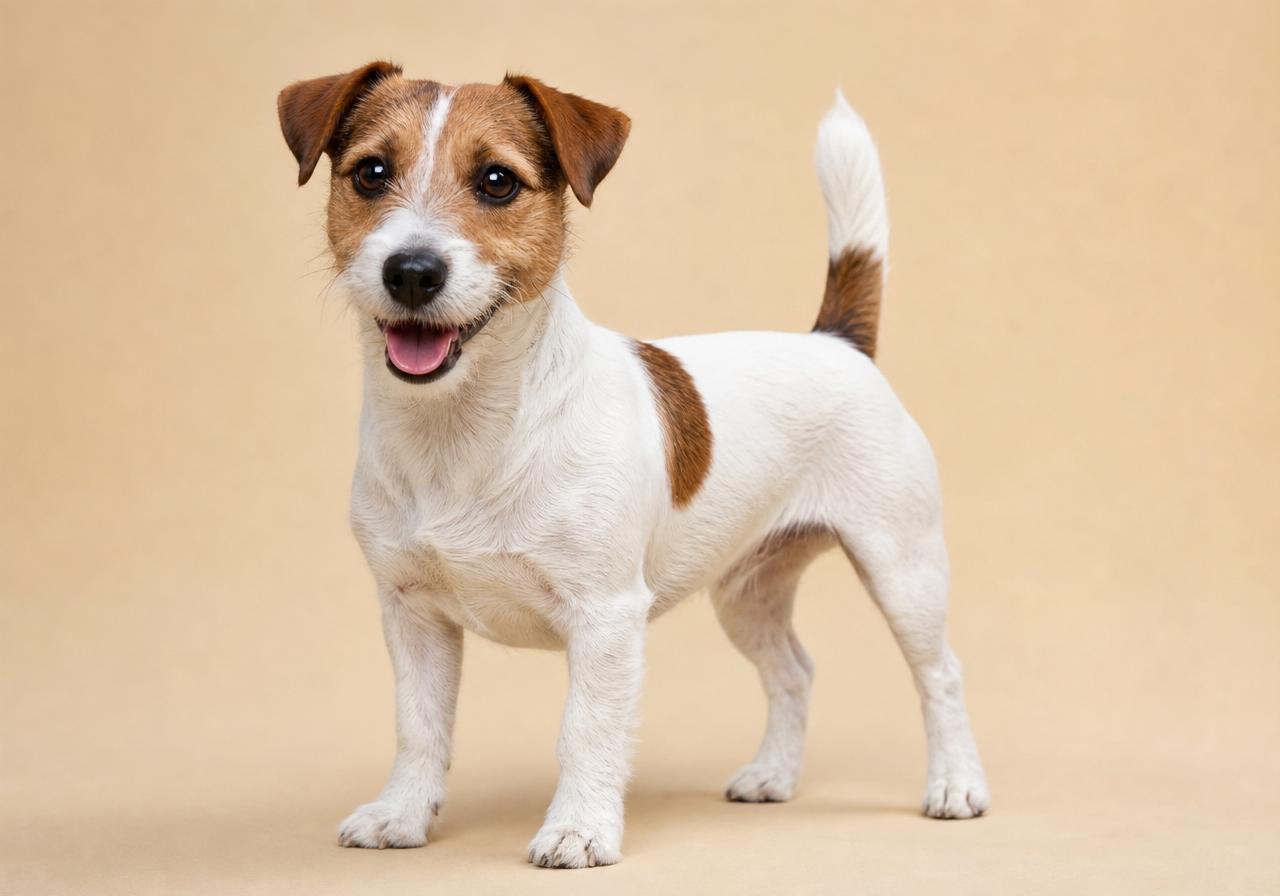
Terriers โ€” Jack Russell Terrier

Terriers

e.g. Jack Russell Terrier

Small hunters bred to go to ground after vermin.

Terriers were selected to enter burrows alone and dispatch quarry without a handler nearby. That legacy shows up as courage, high prey drive and a stubborn, self-assured character in a compact body โ€” great fun, but they rarely fit the label "low-maintenance small dog".

  • Bold & feisty
  • High prey drive
  • Independent
  • Loves to dig
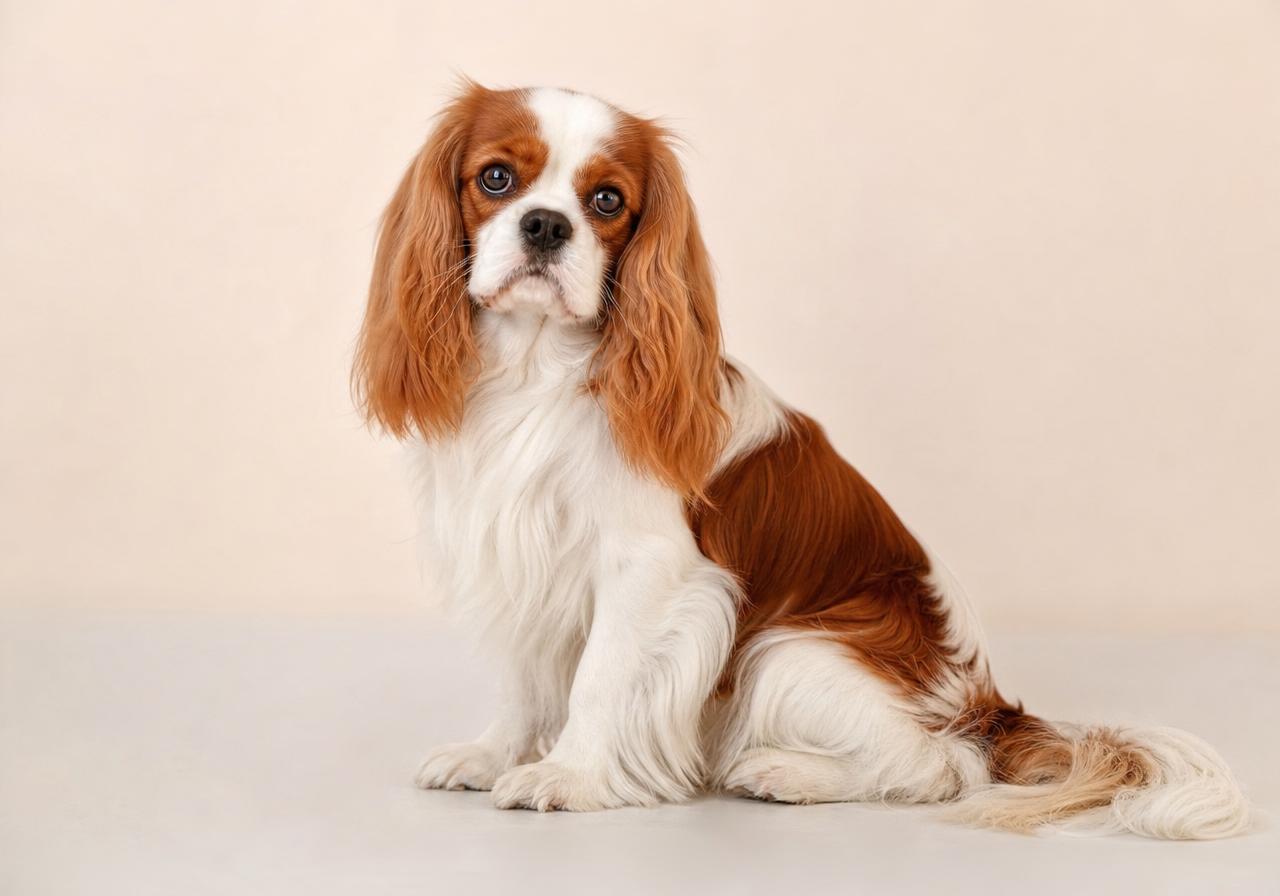
Companion & toy breeds โ€” Cavalier King Charles Spaniel

Companion & toy breeds

e.g. Cavalier King Charles Spaniel

Small breeds selected almost entirely for human company.

Companion breeds were shaped over centuries to be close to people โ€” often lap dogs of nobility. They are usually gentle, adaptable and content with moderate exercise, but many carry hereditary risks tied to extreme conformation (flat faces, small skulls, long backs) that need veterinary attention.

  • Affectionate
  • Adaptable to flats
  • Moderate exercise needs
  • Watch conformation-linked disease